

UAE and Austria Forge Deeper Economic Partnership to Expand Trade and Investment Horizons
- Economy Trade
 Global Business Magazine
- 8 minutes read
In a strategic leap forward for Gulf-European economic relations, the United Arab Emirates (UAE) and the Republic of Austria have intensified high-level discussions aimed at significantly expanding trade, investment and commercial collaboration between the two nations. The latest round of meetings — marked by constructive dialogue and reinforced by private sector participation — underscores the deepening of bilateral economic ties and shared ambitions to unlock new growth opportunities across multiple sectors.
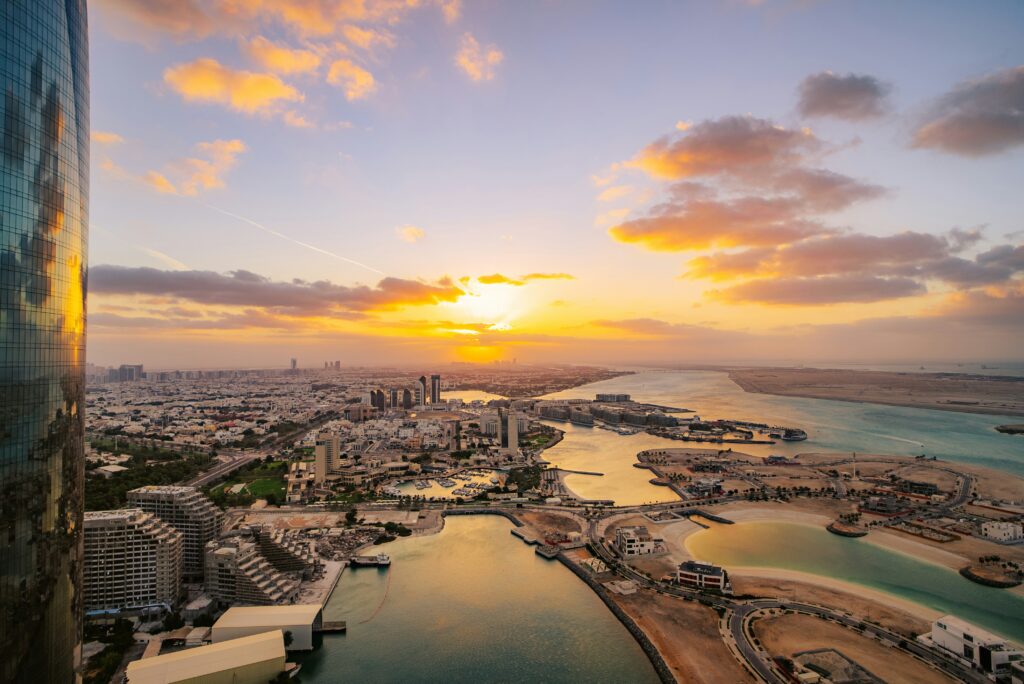
The pivotal engagement took place in Abu Dhabi, where Dr. Thani bin Ahmed Al Zeyoudi, UAE Minister of Foreign Trade, welcomed Ms. Beate Meinl-Reisinger, Austrian Minister for European and International Affairs, alongside a prominent delegation of Austrian business leaders. The event built on a series of engagements over recent years, including previous bilateral forums and economic committee meetings designed to elevate cooperation in trade, investment, technology and sustainability.
A Timeline of Deepening Cooperation
The UAE and Austria have enjoyed a steadily rising trajectory of economic cooperation over the past decade, with both nations seeking to capitalize on mutual strengths. Historical ties were significantly elevated with the signing of a Comprehensive Strategic Partnership Agreement in 2021, designed to formalize cooperation across trade, investment, and strategic sectors.
In recent years, bespoke collaborations have taken on new urgency as global markets confront protectionist headwinds and shifting geopolitical landscapes. Vienna hosted UAE senior officials in 2025, where discussions with Austrian leaders included renewable energy, industry, technology and advanced manufacturing — laying further foundations for diversified economic engagement beyond traditional energy exports.
Roundtable Focuses on Private Sector Engagement
The business roundtable in Abu Dhabi on 1 February 2026 featured a comprehensive agenda that highlighted emerging areas of cooperation:
- Non-oil trade growth: Dr. Al Zeyoudi highlighted robust progress in non-oil trade between the two countries, noting an impressive 15.8% year-on-year increase, with bilateral non-oil trade reaching US$2.1 billion in 2025 — a testament to expanding commercial interdependence.
- Sector diversification: Discussions emphasized collaboration in technology, renewable energy, advanced manufacturing, artificial intelligence, and sustainability sectors — reflecting shared strategic priorities for future-oriented investment.
- Business-to-business linkages: Bilateral breakout sessions connected UAE and Austrian companies across healthcare, industrial tech, construction, energy, tourism and urban development, fostering deal-making, joint ventures and long-term commercial partnerships.
Dr. Al Zeyoudi underscored the value of Austria as a strategic EU partner, noting that enhanced private sector collaboration will unlock significant economic value while reinforcing the UAE’s role as a gateway to markets across the Middle East, Africa and Asia.
Austria’s Strategic Vision on Gulf Engagement
Minister Meinl-Reisinger, representing Austria’s European and international affairs portfolio, emphasized the UAE’s importance as Austria’s most significant GCC partner, both commercially and strategically. She underlined the mutual benefits of collaboration in cutting-edge domains such as AI, sustainability and renewable energy — areas that align with Austria’s export-oriented industrial framework and the UAE’s diversification agenda.
Crucially, Meinl-Reisinger also referenced ongoing Comprehensive Economic Partnership Agreement (CEPA) negotiations between the European Union and the UAE, a landmark initiative that could reshape trade frameworks between Europe and the Gulf if concluded swiftly.
Broader Economic Context: UAE’s Global Trade Momentum
The UAE’s focus on expanding global trade and economic openness comes at a time of remarkable macroeconomic momentum, with the country recently surpassing US$1 trillion in non-oil foreign trade for the first time in history — a milestone that highlights the success of its diversification and trade facilitation strategy.
Such achievements underpin the UAE’s appeal as an investment destination and a commercial hub linking East and West. According to recent economic projections, the UAE economy is expected to sustain robust growth — estimated around 5% in 2026 — supported by non-oil sector dynamism, resilient trade activity and expanding international connectivity.
Perspectives from Economists and Market Analysts
Economic experts broadly view the strengthening of UAE-European trade relations as a strategic component of the UAE’s broader global economic integration strategy. Analysts note that the UAE’s proactive engagement in CEPA negotiations with the European Union — which began in 2025 — could significantly reduce tariffs and deepen access for goods, services and investment flows across key sectors such as clean energy, logistics, healthcare and advanced manufacturing.
In a recent commentary, economists highlighted the potential for deeper cooperation to catalyze wider Gulf–Europe trade integration, with the UAE positioned as a flagship partner whose bilateral agreements could serve as a blueprint for broader regional trade frameworks. This view suggests that a successful EU-UAE trade pact could spur further economic engagement across the Gulf Cooperation Council (GCC), amplifying investment, technology transfer and regional competitiveness.
Other economic assessments underscore the UAE’s strategic positioning as a global trade hub, noting that the country’s Comprehensive Economic Partnership Agreements (CEPAs) have already bolstered non-oil trade ties with major markets and set a strong foundation for future European integration.
Looking Ahead: Strategic Implications
The UAE–Austria economic dialogue represents more than bilateral commercial goodwill — it reflects a shared commitment to navigating a complex and rapidly evolving global economy. As nations diversify away from traditional energy dependencies and prioritize innovation-driven sectors, partnerships like these expand opportunities for cross-continental cooperation in sustainable growth, digital transformation and advanced industrial development.
With CEPA discussions progressing, rising non-oil trade, and mutual interest in future industries, the UAE and Austria are strategically positioned to accelerate long-term economic collaboration that benefits not only their two nations but also the broader connectivity between the Gulf region and Europe.