

Construction of the UAE’s second pipeline around the Strait of Hormuz is 50% complete, reveals Al-Jaber
- Regional Middle East
 Global Business Magazine
- 5 minutes read
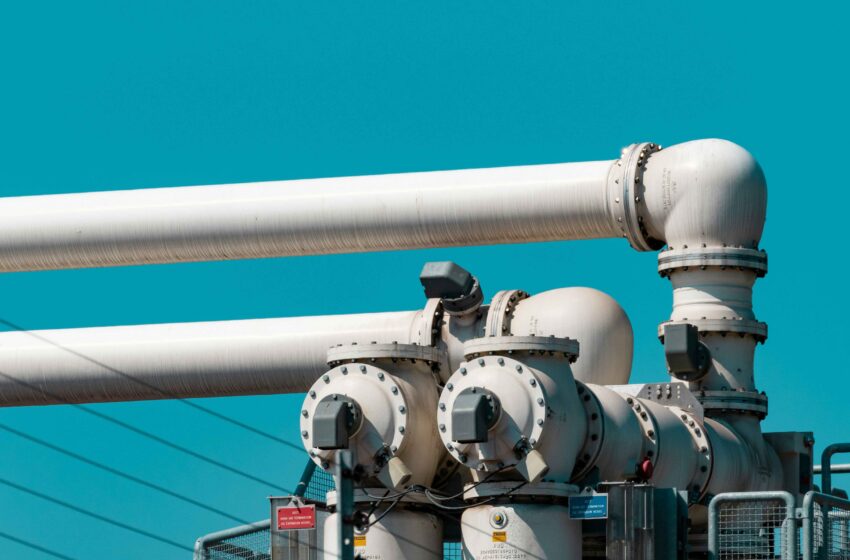
It was reported that the UAE will be in a position to accelerate the construction of its second pipeline, whose delivery is anticipated for next year, as explained by Sultan Ahmed Al Jaber. According to the Atlantic Council, he emphasised that energy security not only involves the continuation of your own energy production but also involves alternative channels and storage. Too many sources of energy from all across the globe depend on too few chokepoints. This was indeed the very reason why the United Arab Emirates, some years back, invested in alternative energy channels that did not include the Strait of Hormuz.
In addition, he indicated that this was the reason why we had embarked upon our second pipeline venture, back in 2025, which is now around 50% complete and should be completed by 2027. He further said that the oil sector is now “dangerously underinvested”. According to Sultan Ahmed Al Jaber, annual investment in upstream is approximately US$400 billion, an amount that can be considered only sufficient to overcome the decline rate in oil production.
He said in an interview, ‘World spare capacity is about three million barrels per day.’ It needs to be about five million barrels per day. The world consumed about 250 million barrels from its reserves in two months. We have about 30 to 35 days of protection, and it needs to double that at a minimum.
With the Strait of Hormuz being closed following the beginning of the US-Israel-Iran war that started in February, oil supplies became seriously affected since about 20 million barrels of oil per day, which represents roughly one-fifth of all the world’s oil supplies, passes through the strait.
The UAE has even been using some of its oil shipments to use Fujairah as a passage point in the Indian Ocean without using the Strait of Hormuz. The new pipeline is expected to boost Abu Dhabi’s oil export capacity and significantly enhance supply security.
Loss of one hundred million barrels of oil per week
It is important to point out that the blocking of the Strait of Hormuz is the biggest disruption of oil supplies ever experienced. More than a billion barrels of oil have already been lost to the world, and that figure continues to rise by 100 million barrels weekly. ‘The price of Brent crude is about 40% higher than the price before the closure of Hormuz’, he added.
It is not simply a matter of oil. We speak of LNG, aviation fuel, fertilisers, ammonia, urea, aluminium, helium, critical minerals, plastics, consumer goods, and other cargo products.
To put it another way, the entire process involved in producing and delivering all the goods being used these days is getting impacted because of increasing oil prices, right from the food on our plates to the aircraft flying in the sky and chips in our mobiles, he added.
Recovery
According to Sultan Ahmed Al Jaber, even though the war in the Middle East is brought to an end tomorrow, the recovery of oil flows to 80% of its capacity from before the war will take about four months, whereas complete recovery will take place during the first or second quarter of 2027.
Not only is it an economic issue, but, quite frankly, setting a very dangerous precedent for when one nation can use its power to hold the world’s key shipping route hostage. Our ability to navigate freely is basically dead, he concluded. Unless we stand up for our rights now, we will be paying for it for years to come, he said.