

Dubai Is Quietly Building the Middle East’s Data Centre Powerhouse
- Technology Middle East Regional
 Global Business Magazine
- 6 minutes read
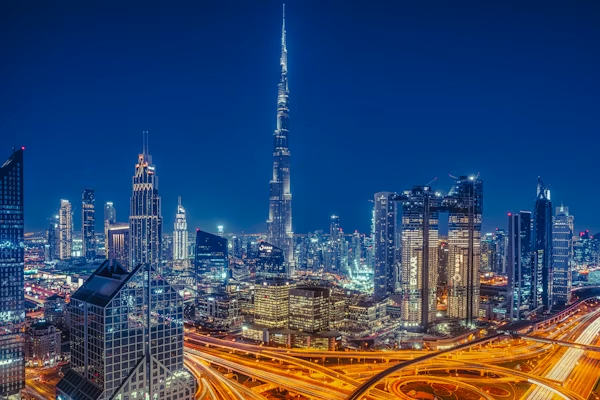
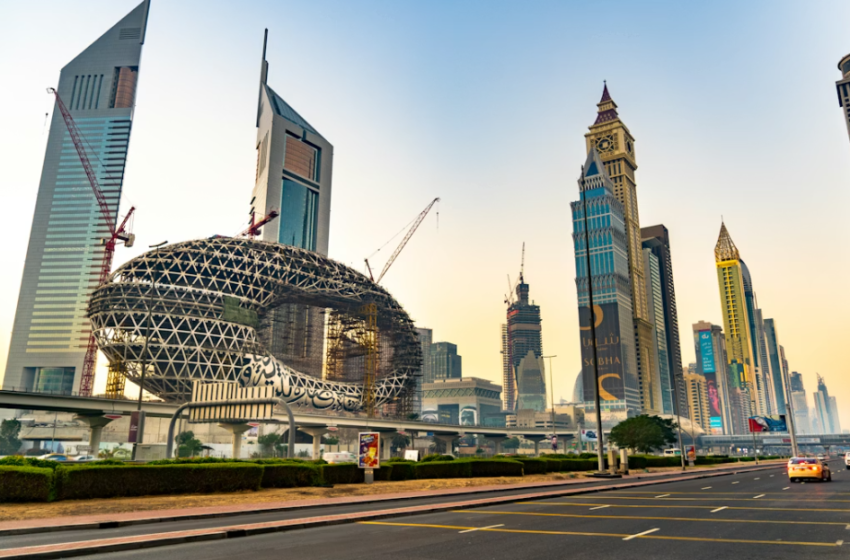
The Middle East is no longer treating data centres as merely supporting infrastructure at the back end of the digital economy. Data centres have become strategic national assets, playing a vital role in artificial intelligence, cloud computing, fintech, and data sovereignty. Among regional players, Dubai stands out as one of the most advanced and networked data centre environments.
With intensified adoption of AI and stricter government regulations on data localisation, the location and control of data have become as important as computing power itself. Dubai’s strategy reflects this reality. The city’s vision extends beyond megawatts and servers to encompass infrastructure design, global connectivity, and regulatory flexibility—a combination that appeals to global corporates, hyperscalers, and emerging-market players, including Indian firms operating abroad.
Geography as a Digital Advantage
Dubai’s geographic position is a key strength. Situated at the intersection of Europe, Asia, and Africa, the city hosts multiple submarine cable landing points, connecting it to global internet networks. This makes Dubai a vital internet transit hub, offering fast and reliable connectivity regardless of varying regional internet regulations.
Industry experts note that this positioning allows Dubai to act as a “digital bridge” for surrounding markets, many of which have strict data residency rules or lack the infrastructure to handle large workloads. Dubai’s ability to operate effectively across multiple regulatory regimes has become especially important amid the current fragmentation of global data governance.
Designing for the AI Era
Artificial intelligence is reshaping data centre design and utilisation. Conventional data centres, built for standard business computing tasks, cannot meet the high power density and advanced cooling requirements of AI workloads.
AI workloads demand significantly higher density, necessitating a complete transformation of data centre architecture. Solutions such as hybrid and liquid cooling, along with optimised air management, are increasingly standard. In Dubai’s hot and humid climate, these measures are essential rather than optional. The evolution of data centres in the emirate is shifting from sheer scale to precision, aligning infrastructure with the technical requirements of next-generation computing.
Sustainability Takes Centre Stage
Energy efficiency and sustainability are now central to Dubai’s data centre landscape. AI-intensive workloads drive high resource consumption, making environmental considerations crucial. Dubai’s renewable energy focus, exemplified by the Mohammed bin Rashid Al Maktoum Solar Park, further supports sustainable operations.
Operators are integrating sustainability benchmarks into facility design, from efficient cooling solutions to optimised water use. These practices not only enhance environmental responsibility but also meet global customer demands for ESG compliance.
Opportunities Beyond the Hyperscalers
Dubai’s data centre expansion is also creating opportunities beyond hyperscalers and large investors. Supporting infrastructure—such as cooling systems, filtration solutions, power optimisation, and specialised construction materials—is gaining traction.
Startups and solution providers, particularly from India, are finding new collaboration and investment avenues. The increasing complexity of data centre design has heightened demand for expertise in thermal management, airflow, and materials capable of withstanding extreme conditions. Dubai’s digital infrastructure growth, therefore, extends beyond large tech giants.
A Competence-Driven Talent Ecosystem
Another notable shift is in leadership culture within Dubai’s technology sector. Data centre and infrastructure roles are increasingly merit-based, focusing on capability and delivery rather than traditional hierarchies. Government-led STEM education initiatives are reinforcing this culture.
This talent-centric approach has strengthened Dubai’s position as a regional headquarters for global technology leaders and consultants, positioning the emirate as a key driver of the Middle East’s digital future.
Conclusion
Dubai’s rise as a regional data centre hub is the result of deliberate strategic choices in geography, infrastructure, regulation, and sustainability. Its ambition to serve as a highly interconnected, regulation-savvy, and AI-ready digital gateway between continents is laying the foundation for a robust data centre economy. Today, Dubai’s thoughtfully constructed data centre ecosystem stands as one of the region’s most valuable assets with enormous future potential.