

The New Crossroads of Global Wealth, How the Emirate Is Quietly Rewriting the Map
- World Health
 Global Business Magazine
- 7 minutes read
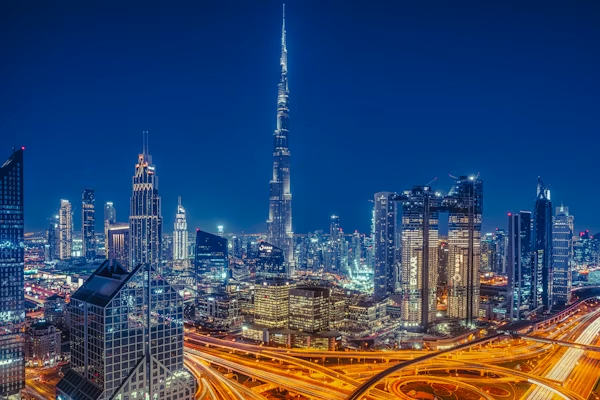
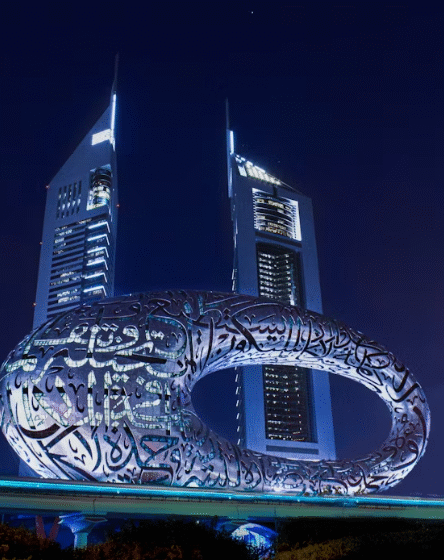
Dubai has long traded on spectacle: skylines that scrape the future, shopping malls that swallow neighborhoods, and events that turn weeks into global conversation. But beneath the glossy façades and headline-grabbing developments, a quieter, far more consequential transformation is underway. In 2024–25, Dubai shifted from being a regional lifestyle magnet to a strategic fulcrum for private wealth a place where capital from Asia, Europe and the Middle East now meets, is structured and increasingly managed. This is no accident. It is the product of deliberate policy, regulatory muscle-building and an irresistible confluence of geopolitical and economic trends.
Two complementary dynamics explain the pivot
First, Dubai’s policy architecture has been recalibrated to favour wealth preservation and private capital formation: zero personal income tax, investor-friendly residency visas, tailored free-zone regimes such as the Dubai International Financial Centre (DIFC) and the DMCC, and new family-office incentives. Second, the global context — an era of geopolitical uncertainty, higher taxes and regulatory scrutiny in traditional wealth centres, plus growing Asian wealth — is pushing family offices, asset managers and entrepreneurs to seek jurisdictions that combine legal sophistication with agility. The result is a modern entrepôt for capital, but one geared towards the bespoke needs of ultra-high-net-worth individuals and private markets.
Numbers now back the narrative
Independent industry reports and local authorities point to sustained inflows of high-net-worth individuals, rapid growth in DIFC registrations and swelling assets under management within Dubai’s private wealth ecosystem. The Henley/New World Wealth reports and other trackers show the UAE attracting an unprecedented number of migrating millionaires in 2025, while DIFC’s own disclosures and Reuters reporting highlight steep increases in revenue, registrations and the footprint of wealth managers. These raw data are not just vanity metrics: they mark the maturation of a full-service private-wealth stack — from fund formation and custody to bespoke lending, alternative investments and family-office services.
Beyond numbers, the product on offer has evolved
Global banks and asset managers are not merely opening branches; they are co-creating platforms adapted to Dubai’s investor base. Recent partnerships — for example, Emirates NBD’s collaboration with BlackRock to offer private-market access to UAE clients — signal that Dubai’s wealth industry is migrating up the value chain, into private credit, multi-alternatives and bespoke structured products. That’s significant: demand for private-market exposure is one of the clearest long-term trends in global wealth management, and Dubai is positioning itself as a gateway for that demand — especially for money flowing out of Asia and the broader Middle East.
This surge matters geopolitically
As capital decouples in small ways from old anchors — whether because of tax policy shifts, sanctions risk, or simply the desire for geographic diversification — places like Dubai become more than safe harbors; they become nodes in a new global financial topology. Sovereign and quasi-sovereign actors (wealth funds, family offices, regional banks) see Dubai as proximate to both Asian markets and the Gulf’s resource capital, a platform where deals can be stitched together across time zones and legal regimes. The emirate’s neutral diplomatic posture, relative regulatory clarity and active efforts to institutionalize family offices have made this a pragmatic choice for wealthy families seeking continuity across generations.
Yet the rise is not without friction
Rapid expansion strains infrastructure: property prices, traffic and living costs have climbed, testing the city’s ability to retain talent and deliver quality of life. Competition in the Gulf is intensifying — Abu Dhabi and Riyadh are deploying capital and policy to lure financial services, and global scrutiny of money flows raises compliance and reputational risks that Dubai cannot ignore. Financial crime resilience, AML enforcement, and transparent beneficial-ownership regimes must keep pace with growth; otherwise, the very advantages of attracting capital could become vulnerabilities. Established Western centres aren’t standing still either — London, New York and Singapore are responding with their own regulatory and commercial plays.
So what does this mean for investors, policymakers and the wider global economy?
For wealth owners and advisors, Dubai offers real opportunities: diversified access to private markets, favourable tax and residency regimes, and proximity to burgeoning Asian wealth streams. For policymakers in the UAE, the choice is clear but delicate: double down on institutional depth — courts, dispute resolution, transparent regulation, and skilled talent pipelines — without surrendering the nimbleness that made Dubai attractive in the first place. For rival Gulf hubs, Dubai’s success is a warning and a blueprint: capture the private-wealth floor and you can amplify domestic capital markets, private investment flows and innovation ecosystems.
In short, Dubai is not merely a fashionable relocation destination for the rich
It is becoming a working, high-functioning node in global private finance — a place where dealmaking, family-office stewardship and private-market structuring converge. The next few years will test whether Dubai can translate momentum into durable institutional depth rather than a transit point for temporary capital. If it succeeds, the city will have done more than attract money; it will have rewritten a piece of the global map of wealth management. If it fails, the risks are clear: congestion, regulatory blowback and a regional race to capture the same prize.
Economist’s view
James Swanston, senior Middle East economist at Capital Economics, points to the UAE’s robust non-oil growth and improving macro backdrop as key enablers of the emirate’s appeal to global capital. He argues that stronger GDP performance and policy stability are central to Dubai’s ability to keep attracting wealth and investment — a view that aligns with the rising flow of business registrations and private-wealth activity observed across DIFC and other financial hubs in the UAE. See Swanston’s commentary in Reuters for the original analysis.