

The Great Wealth Drift; Why Dubai Is Becoming the World’s Top Magnet for Millionaires
- Finance Taxes
 Global Business Magazine
- 7 minutes read
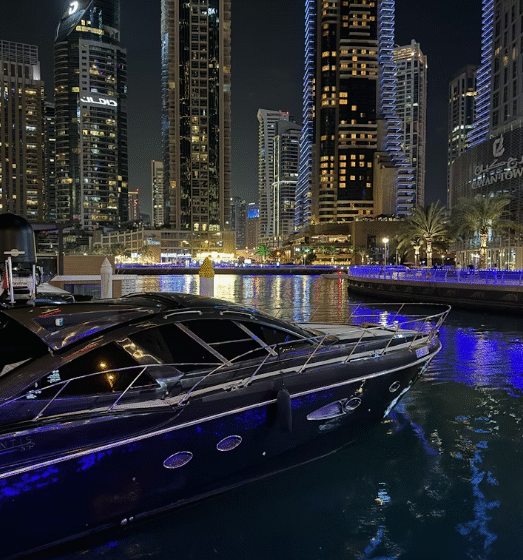
Dubai’s skyline has always sold a story: sand turned to glass and ambition. But the newest story unfolding is less about architecture and more about appetite the appetite of the global wealthy to find a place that offers stability, low taxes, and a friendlier regulatory runway. As Europe tightens fiscal policy and debates wealth taxes, a record wave of high-net-worth individuals are voting with their feet (and their bank accounts). The result is a phenomenon that’s reshaping capital flows, family offices, and even political calculations in Europe and beyond.
What the numbers say matters
Henley & Partners’ Private Wealth Migration report projects a historic jump in cross-border millionaire relocations in 2025, and the UAE led by Dubai is forecast to be the single biggest beneficiary, with thousands of new millionaires expected to settle there this year. That kind of headline is not just a statistic; it’s a flashing signal that global residency choices for the ultra-rich are now strategic decisions shaped by tax regimes, regulatory risk, and lifestyle calculus.
But this is not only a tax story
Dubai’s rise combines three mutually reinforcing offers: fiscal competitiveness (notably zero personal income tax), a fast-maturing legal and financial infrastructure, and a cosmopolitan, service-oriented lifestyle that can match and sometimes outbid legacy wealth hubs. The emirate has aggressively built family-office ecosystems, eased residency rules, and marketed itself as a geopolitically stable, English-friendly jurisdiction a package that’s suddenly compelling to millionaires facing harsher tax and disclosure regimes back home.
There are, of course, opposing perspectives
Industry critics and some investigative analysts have questioned how much of the “millionaire exodus” is an actual permanent relocation versus short-term residency planning, and highlighted methodological limits in migration tallies. Skeptics warn that lobby groups and intermediaries that benefit from mobility services sometimes overstate flows. Still, whether the numbers are 7,000 or 9,800 new millionaires, the trendline is unmistakable: Dubai is ascending as a primary destination for mobile wealth.
Europe’s tax reforms have been a significant accelerant
Several European capitals have pushed higher capital-gains, inheritance, and wealth-tax proposals in recent budgets, and public pressure to raise revenue has created a political backdrop that increasingly looks unfriendly to the very wealthy. For families and trustees, the calculus is simple: stability of tax treatment and predictability of regulation matter as much as headline rates. Where those disappear, relocation becomes an insurance policy. The Henley analysis and other wealth-migration trackers suggest that Britain, in particular, stands to lose tens of thousands of wealthy residents in net terms — a loss with potential knock-on effects for investment, philanthropy, and tax receipts.
Why does this matter beyond private banking?
Capital flows follow people. New residents bring deposits, buy homes, open family offices, and contract services. Banks, private schools, luxury real estate and local discretionary spending all capture the gains. Dubai’s property markets, wealth managers and hospitality sectors have already recalibrated in real time — the head offices and “wealth centres” of global banks are expanding in the emirate to seize this structural shift. That inflow, if sustained, could accelerate a virtuous cycle of investment and domestic employment — but it also raises questions about affordability, social balance, and long-term economic diversification.
Yet the picture is not purely rosé and rooftop pools
Net wealth inflows concentrated in luxury sectors can accentuate inequality and create fragile growth that depends on the tastes of a small cohort. There’s also political risk: Western governments seeing capital flight may respond with retroactive measures — higher exit taxes, tighter reporting or “exit-tax” rules — that could alter incentives. Europe’s policymakers face a choice: clamp down and risk further departures, or redesign tax systems that are fairer but less punitive to mobility. Either path will reshape the global map of capital and influence.
From an ethical and civic standpoint, mass relocations of the wealthy raise fundamental questions about fiscal reciprocity. If the super-rich move where tax burdens are lightest, who pays for public goods back home? It’s a debate with no easy answer: wealth taxes can be politically popular and arguably progressive; but if they spur permanent relocation, they may be self-defeating. The pragmatic response many European governments are contemplating is to pair reform with “resilience” measures — tighter anti-avoidance rules, stronger international tax cooperation, and targeted incentives to keep critical assets and entrepreneurs rooted locally.
On the ground, Dubai is also adapting
Authorities have moved beyond the “zero tax” billboard and are investing in governance, regulation and discrete wealth infrastructure — including family office regimes and a common-law framework inside its financial free zones — to signal that the emirate isn’t just a fiscal haven but a durable jurisdiction for long-term wealth management. That’s a smart move: millionaires don’t only want low taxes; they want legal certainty, education, hospitable health systems and reputational safety for family capital.
Policy takeaway:
Europe must decide whether to treat mobility as a policy failure or as a prompt for smarter reform. Punitive tax grabs risk shrinking the tax base; thoughtful reform, paired with better enforcement and international cooperation, can preserve equity without triggering capital flight. For Dubai and the UAE, the immediate strategic goal is clear: convert headline arrivals into long-term anchors — the family offices, entrepreneurs, and institutions that build stable ecosystems beyond short-term residency patterns.