


Dubai Targets 90% Cashless Transactions by 2026
- Banks Digital Bank
 Global Business Magazine
- 6 minutes read
Dubai has announced another significant step towards becoming one of the world’s leading cashless cities, setting a target for 90% of all financial transactions to be digital by 2026. This follows a new agreement between Dubai Finance (DOF) and the Dubai Free Zones Council (DFZ) under the broader ‘Dubai Cashless Strategy’, aimed at reducing reliance on physical cash and promoting digital payment channels.
First unveiled in October 2024, the strategy represents a major shift in payment methods, not only in retail environments such as shopping malls and supermarkets but also across government services, aviation, and tourism. By the end of 2026, Dubai aims for the vast majority of transactions to be conducted digitally, positioning the emirate among the top global cashless economies.
Digital Transformation of Dubai’s Economy Through Payments
The transition is expected to deliver significant economic benefits. According to Dubai Finance, non-cash payments are projected to account for 90 per cent of all transactions by the end of 2026, potentially contributing more than Dh8 billion to the economy annually.
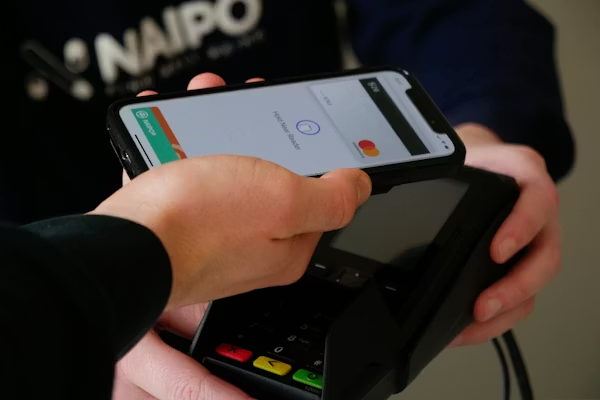
The strategy aims to significantly reduce cash usage, encouraging payments through banking apps, debit and credit cards, QR codes, and contactless systems. While cash will still exist, it will no longer be the dominant mode of transaction.
Dubai Finance also highlighted innovation as a key pillar of the initiative, focusing on advanced technologies such as AI-driven payment systems, biometric authentication, and next-generation contactless solutions.
Public and Private Sectors to Drive Digital Adoption
The new DFZ-DOF framework includes a comprehensive awareness and promotion campaign to accelerate the adoption of digital payments.
“The goal is to ensure that up to 90 per cent of public and private transactions are cashless by the end of 2026,” Sheikh Hamdan said in a post on X. “Our vision goes further. All stores should be digital, and every resident should be able to seamlessly access digital financial transactions.”
Government departments have already begun aligning with this vision. A key milestone includes the signing of a Memorandum of Understanding between Dubai Finance and the General Directorate of Identity and Foreigners Affairs (GDRFA), which oversees visa and residency services. Under this agreement, digital payment options will be expanded, enabling services such as visa applications and renewals to transition fully online.
Tourism and Aviation Join the Cashless Push
Dubai’s cashless ambitions extend to its tourism sector, which attracts more than 15 million international visitors annually. Recognising that many tourists still rely on cash, Dubai Finance has partnered with Emirates and flydubai to promote digital payments among travellers.
Both airlines have signed memorandums of understanding to encourage the use of cashless options and enhance accessibility to digital payment platforms. The initiative aims to ensure visitors can use cards, mobile wallets, and international payment systems seamlessly across the city—from transport and hotels to retail and dining.
Supporting Businesses Through the Transition
To prepare the private sector for this transition, Dubai Finance has partnered with the Dubai International Financial Centre to roll out workshops starting in 2025.
These initiatives will support retailers, SMEs, and large corporations in upgrading payment systems, adopting AI-based technologies, and strengthening cybersecurity frameworks. The collaboration will also support startups focused on developing innovative payment solutions.
By strengthening digital payment infrastructure, Dubai aims to attract further investment in the fintech sector, creating new opportunities in fintech, cybersecurity, and digital banking. This will enhance convenience for residents and visitors alike, while reinforcing Dubai’s position as a smart tourism destination.
A Vision Backed by Dubai’s Leadership
The Dubai Cashless Strategy was launched on October 1, 2024, following a meeting of the Executive Council of Dubai chaired by Sheikh Hamdan bin Mohammed bin Rashid Al Maktoum, Crown Prince of Dubai.
During the meeting, Sheikh Hamdan outlined plans to position Dubai among the world’s top five cashless cities, alongside expanding access to financial technology services. The initiative aligns with Dubai’s broader economic vision, which emphasises digital transformation, smart city infrastructure, advanced transport systems, and innovation-driven growth.
Dubai’s vision of a cashless economy marks a transformative shift in how financial transactions are conducted across the emirate. With strong support from government entities, airlines, financial institutions, and global businesses, the transition is steadily gaining momentum.
As implementation accelerates across sectors, the strategy is expected to redefine everyday transactions for residents and visitors alike. With clear policy direction and growing adoption, Dubai is rapidly advancing towards its goal of becoming a fully integrated digital payments economy by 2026.