
Invest International to Invest in Critical Minerals
- Business Companies Investments Mining World
 Global Business Magazine
- 4 minutes read
The Hague-headquartered Invest International on Monday announced plans to establish a public-private investment fund aimed at reducing Dutch and European dependence on critical raw materials.
The initiative seeks to enhance access to essential resources by leveraging Dutch expertise in efficiency, recycling, and alternative materials.
Lara Muller, Director of New Business at Invest International, made the announcement during the Mineral Exploration and Mining Convention (PDAC Convention) in Toronto, alongside Reinette Klever, the Dutch Minister for Foreign Trade and Development Aid.
The fund is expected to collaborate with financial institutions such as banks, pension funds, and EU-based partners to ensure a robust investment strategy.
The initiative aligns with broader European efforts to achieve greater strategic autonomy, particularly in sectors vital to the energy transition, digitalisation, aerospace, and security. Countries such as Germany, France, Italy, Estonia, Sweden, and Finland have already introduced similar initiatives.
Key technologies requiring critical raw materials have been identified for the Netherlands. For example, the energy transition will require lithium-ion batteries which rely on lithium, cobalt, and nickel or permanent magnets for wind turbines which use copper and neodymium, and electrolysis installations for green hydrogen production depending on aluminum, graphite, and manganese. Beyond energy, access to these materials is also crucial for digitalisation and high-tech industries—both essential to the Dutch economy.
Lara Muller said: “We cannot do this alone and will have to work together with friendly and like-minded countries. With this fund we want to help secure access to critical raw materials for our industry, help cover vulnerabilities and risks in international supply chains and ultimately contribute to the competitiveness of the Netherlands in the world.”
Leveraging Strategic Position
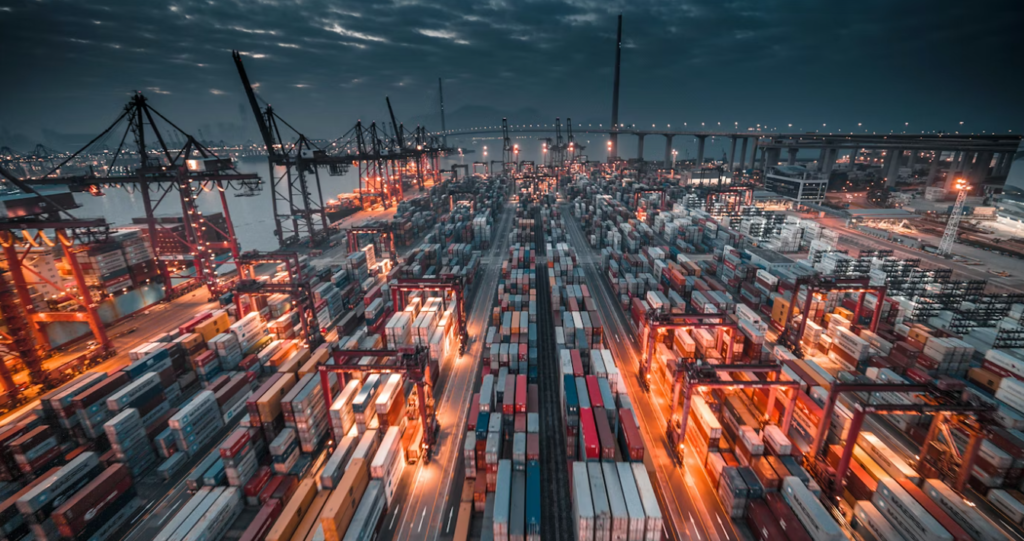
Muller said: “The Netherlands plays a pivotal role in the European raw materials supply chain, thanks to its advanced logistics infrastructure and the strategic access provided by the Port of Rotterdam. The port serves as a crucial hub for raw material imports and distribution across Europe. However, the Netherlands currently relies heavily on imported semi-finished products from a limited amount of countries, with only a handful of companies directly sourcing raw materials.”
“The solution lies in increasing access to existing raw material chains while also improving efficiency. Our fund aims to utilize Dutch technology to optimize resource use, expand recycling efforts, and explore viable alternatives,” Muller added.
Expanding Global Partnerships
The EU currently maintains partnerships with 14 countries for critical raw materials. The Netherlands’ selection criteria for collaboration include the presence of essential raw materials, the interests of Dutch industry and research institutions, and alignment with EU partnerships and policies. The country is deepening ties with key partners such as Australia, Canada, and Chile while also fostering cooperation with Vietnam and South Africa.
This investment fund marks a significant step toward securing the Netherlands’ position in the global raw materials supply chain while reinforcing European strategic independence in critical industries.