


Nine EU Banks to Launch Euro-denominated Stablecoin
- Banks Business Companies Eurozone Stablecoin
 Global Business Magazine
- 4 minutes read
In a major development, nine major European banks – ING, Banca Sella, KBC, Danske Bank, DekaBank, UniCredit, SEB, CaixaBank and Raiffeisen Bank International (RBI) – on Thursday joined forces to launch a MiCAR-compliant euro-denominated stablecoin.
The stablecoin will be regulated by EU’s Markets in Crypto-Assets Regulation (MiCAR) and is expected to be first issued in the second half of 2026. This digital payment instrument, leveraging blockchain technology, aims to become a trusted European payment standard in the digital ecosystem.
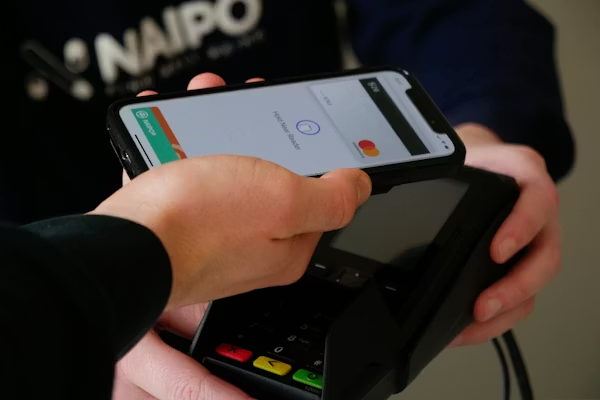
The stablecoin will provide near-instant, low-cost payments and settlements. It will enable 24/7 access to efficient cross-border payments, programmable payments, and improvements in supply chain management and digital asset settlements, which can vary from securities to cryptocurrencies.
The stablecoin consortium, with the mentioned banks as founding members, has formed a new company in the Netherlands, aiming to be licensed and supervised by the Dutch Central Bank as an e-money institution. The consortium is open to additional banks joining. A CEO is expected to be appointed in the near future, subject to regulatory approval.
Stablecoins are digital tokens designed to keep a constant value and are backed by traditional currencies such as the US dollar or euro.
Alternative US Stablecoin
The initiative will provide a real European alternative to the US-dominated stablecoin market, contributing to Europe’s strategic autonomy in payments. Individual banks will be able to provide value added services, such as a stablecoin wallet and custody.
Fiona Melrose, Head of Group Strategy and ESG at UniCredit said that they believe in the importance of a stronger Europe and in the power of constructive dialogue and collaboration.
“By joining this consortium of leading European banks, we are contributing to fill the need for a trusted, regulated solution for on-chain payments and settlement, paving the way for a new standard in the digital asset space that will support Europe’s growth and financial sovereignty. This reflects our conviction that Europe will prosper when its institutions work together,” Fiona added.
Flaminia Lucia Franca, Head of Transaction Banking in Danske Bank, said that digital assets have the power to transform the financial landscape, not just by introducing new forms of money, but by unlocking meaningful efficiencies and savings for both the financial sector and customers.
“We believe this evolution must be driven by collaboration and shared standards across the industry. We are proud to be part of this initiative, working alongside other leading European banks to build a trusted, MiCAR-compliant stablecoin that supports innovation, transparency and actively seeks out pain points, such as inefficiencies, frictions and cost burdens, that this technology can help resolve,” Flaminia added.
Important Pillar for RBI
RBI CEO Johann Strobl said that stablecoins are an important pillar of their digital asset strategy and they have the potential to transform internal processes and offer RBI customers faster and more cost-effective transactions and payment options.
“We joined the consortium because we are convinced of the advantages of a multi-bank approach to issuing stablecoins. By leveraging our networks, pooling resources, distributing risk, and improving liquidity, we can create an ecosystem that capitalizes on the opportunities offered by the European MiCAR,” Strobl added.