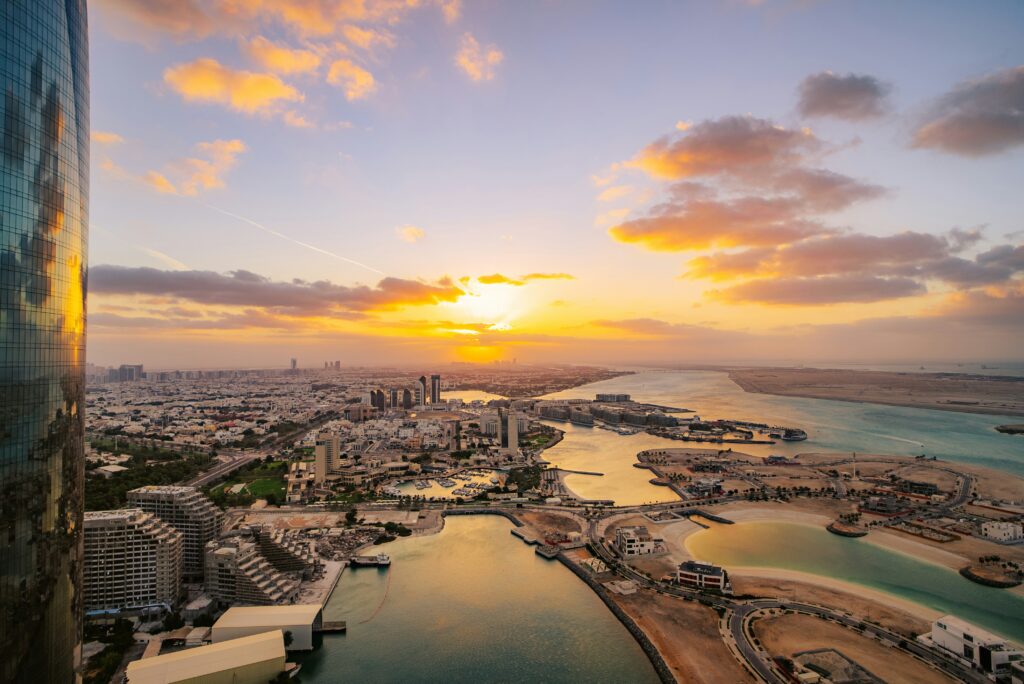



Abu Dhabi property market expected to see 8,400 deliveries in 2026
- Real Estate News
 Global Business Magazine
- 6 minutes read
The real estate market in Abu Dhabi has turned out to be one of the most successful in the UAE, with rising volumes of transactions, double-digit increases in rentals and increasing demands for prime office spaces fueling the city’s growth as a favored destination for both investors and foreign companies.
Such momentum in the capital comes in the context of the overall UAE property market being in the process of moving from the intense growth period that characterized 2025 after the pandemic into a mature growth phase, with help from infrastructure spending and economic diversification despite rising regional geopolitical instability.
As per the most recent Q1 2026 report from Colliers, Abu Dhabi keeps outperforming multiple regional markets as increasing demands for premium residential and commercial properties change the real estate scene of the emirate. In Abu Dhabi, the housing market is evolving to follow a more sustainable path of development after experiencing significant growth in value.
Around 1,200 residential units were launched in the capital during Q1, with a further 7,000 residential units set for completion by the end of the year. In addition, developers launched 22 projects during the period, of which nine were branded residential projects. Rent increases for Abu Dhabi showed resilience, but with indications that a slowdown is coming into play.
Average apartment rental rates witnessed a rise by 15% in Q1 2026 compared to a year earlier, with some mid-range properties experiencing an increase above 20%. Villas’ rents rose by 6 per cent year-on-year and 1 per cent quarter-on-quarter, as the premium communities located on Yas Island performed better than the general market. The office segment has also remained strong, with occupancy rates exceeding 95%.
Annual rent levels for all grades have increased by up to 8 percent to 20 percent due to a scarcity of Grade A space and increasing demand from financial organizations, tech companies, and multinationals setting up regional offices in Abu Dhabi. Shams Tower in Al Reem Island brought new supply into the commercial property market, but future projects, including Masdar City Square and The Link, are already receiving occupant interest.
According to analysts, another major theme influencing the commercial real estate market in Abu Dhabi is the increased demand for environmentally sustainable Grade A office accommodation.
Transaction levels in the residential sector in the capital have been very robust. There was a total of 7,800 transactions in the first quarter, marking a 10 per cent growth from the previous quarter as well as a whopping 119 per cent rise over the same quarter last year.
The average selling prices of apartments increased by 32% each year, while the villa prices saw an annual increase of 21%. In Dubai, the real estate market is slowly phasing out the period of rapid expansion that took place after the boom witnessed during the pandemic.
Deliveries of apartments surpassed 10,000 units for the second month running in Q1 2026, with 1,900 villas being turned over as well. By year’s end, there is an expectation that a total of 65,000 apartments and 12,500 villas will come onto the market.
Despite the strong pipeline of properties coming into the market, rent increases were experienced, especially among those in the affordable and middle-market segments due to population inflow and expatriate demand.
Average rents for apartments rose by 2% quarter-on-quarter, while villa rents mostly stayed constant as renters became more price-sensitive. It was reported that the sales market in Dubai is still growing, albeit increasingly segmented in its patterns of behaviour.
Sales before delivery were still linked directly to the number of project launches; however, finished property sales of both flats and villas continued to weaken throughout March. There were further rises in the prices for properties in both the off-plan and second-hand sectors.
The office market became among the best-performing markets in Dubai due to the ongoing lack of Grade A office space within key business centres like the Dubai International Financial Center and Business Bay. According to Colliers, the office segment’s sales saw a marked increase in comparison with the residential sector, owing to high corporate interest and a lack of new stock.
The Northern Emirates market is developing from being a commuter market to a lifestyle destination on its own account because of master-planned developments and infrastructure development. According to Colliers, real estate markets within the UAE have thus far been shielded from regional geopolitical tensions; however, future quarters will be very important for gauging whether increased supply and economic risks will prompt stabilization or slowing in prices/transactions.